Sports Is a Preventive Tool Against Unethical Practices, Says Nigeria's Sports Commission Chairman
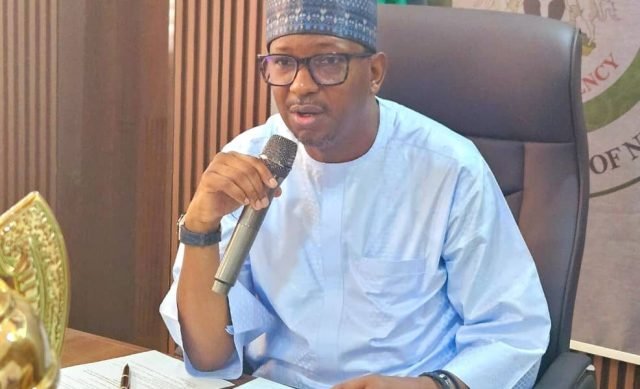
Nigeria’s National Sports Commission (NSC) is embarking on a deliberate campaign to instil integrity into the country’s sporting ecosystem, with its chairman, Mallam Shehu Dikko, arguing that sports can serve as a powerful preventive tool against unethical practices in society.
Dikko’s remarks signal a philosophical shift at the NSC — one that moves beyond simply organising competitions and toward using the platform of sport as a vehicle for moral and ethical development. The commission, he said, has begun implementing programmes designed to embed accountability and ethical standards across Nigeria’s sporting institutions, from grassroots academies to elite national federations.
The argument is not new, but its institutional framing is. Across Africa, sports administrators have long spoken of discipline, teamwork, and fair play as values that can shape young people’s character. What distinguishes Dikko’s approach is the explicit linkage between sporting culture and the broader fight against corruption, fraud, and ethical decay — problems that have plagued Nigeria’s public institutions for decades.
By positioning sport as a preventive mechanism rather than merely a recreational outlet, the NSC is implicitly acknowledging that Nigeria’s governance challenges require solutions that extend beyond the traditional corridors of policy and regulation. If young people are taught to compete fairly, respect rules, and accept outcomes with grace, the reasoning goes, they may carry those habits into their professional and civic lives.
The initiative also reflects a growing continental trend. African governments are increasingly recognising that sport, when properly managed, can address social challenges that formal institutions struggle to reach. From Kenya’s use of marathon culture to build community cohesion, to South Africa’s post-apartheid investment in rugby and cricket as tools of national reconciliation, the continent has a rich — if under-documented — history of harnessing athletic endeavour for social good.
Yet the NSC’s task is not without its challenges. Nigerian sport has itself been plagued by governance failures, from financial mismanagement in national federations to doping scandals and match-fixing allegations. For the commission’s integrity drive to be credible, it must begin by addressing these internal shortcomings before it can credibly claim to use sport as a moral compass for wider society.
Dikko appears to recognise this tension. By framing the commission’s work as both inward-looking (reforming sporting institutions) and outward-looking (using sport to shape societal values), he is attempting to build a narrative that gives the NSC a broader mandate than it has traditionally enjoyed. Whether that mandate translates into measurable outcomes — cleaner federations, better-governed leagues, more accountable funding mechanisms — will be the true test of the initiative.
For now, the rhetoric is encouraging. If the NSC can demonstrate tangible improvements in governance within Nigeria’s sporting bodies, it will lend weight to the argument that sport is not just entertainment but a genuine instrument of social reform.
Image Source: GHANAMMA