Senate Reaches Bipartisan Deal to Avert Partial Government Shutdown
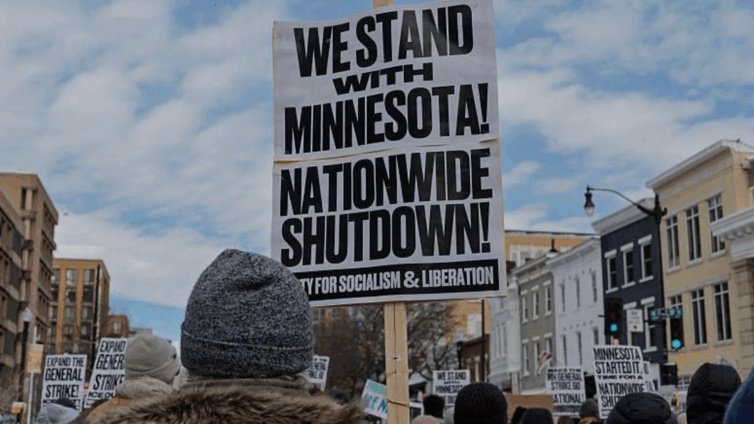
US Senate leaders struck a bipartisan deal Thursday to avert a partial government shutdown, approving funding for key agencies while temporarily sidestepping Homeland Security appropriations amid escalating tensions over federal immigration enforcement tactics.
Lawmakers agreed to a package of five spending bills covering defense, health, treasury, and federal courts through September 2026. The sixth bill funding the Department of Homeland Security (DHS) was separated from the package following Democratic objections, as reported by CBS News, the BBC’s US partner.
DHS funding will remain at current levels for two weeks while negotiations continue. President Donald Trump endorsed the agreement Friday, posting on social media: “Republicans and Democrats in Congress have come together to get the vast majority of the Government funded until September.”
The breakthrough followed fierce Democratic opposition to DHS funding after federal agents killed two Minneapolis residents during immigration operations. ICE agents shot 37-year-old Renee Good on January 7, while Border Patrol officers killed 47-year-old Alex Pretti last week – incidents that sparked nationwide protests.
Democrats are now demanding structural reforms including requirements for federal agents to obtain warrants before arrests and clearer identification protocols during operations. Senate Minority Leader Chuck Schumer declared Wednesday: “I will vote no on any legislation that funds ICE until it is reined in and overhauled.”
Senate Democrats hardened their stance hours before the breakthrough, with all members voting against a procedural motion alongside eight Republicans concerned about spending levels. “We remain firm that we cannot fund an agency conducting warrantless raids and shootings in our communities,” Senate Minority Leader Chuck Schumer declared before the late-night accord. The coalition opposing Thursday’s initial vote cited recent ICE and Border Patrol operations in Minnesota, where the fatal shootings of two Minneapolis residents – Renee Good and Alex Pretti – during immigration enforcement actions galvanized reform demands.
The revised legislation now requires House re-approval when lawmakers reconvene Monday, though analysts anticipate minimal weekend disruptions given most affected agencies’ limited weekend operations. Crucially, this potential partial shutdown would exclusively impact DHS agencies – including ICE and CBP – while fully funded departments like Defense and Treasury continue normal operations under September 2026 appropriations.
Republican Senator John Cornyn encapsulated the opposing calculus: “We cannot let ideological disputes paralyze border security functions,” he argued during floor debates. The contrasting positions reflect deepening divides over immigration enforcement tactics, with Democrats seeking warrants for arrests, standardized agent identification protocols, and structural reforms to DHS operations following the Minneapolis fatalities.
This impasse evokes memories of the 43-day 2018 shutdown – the longest in US history – which suspended pay for 1.4 million federal workers and disrupted critical services nationwide. While the current standoff’s weekend timeframe limits comparable fallout, it presents Ghanaian observers monitoring US policy stability a critical case study in governance durability. International partners often recalibrate collaboration timelines during prolonged US budgetary uncertainty, potentially affecting multilateral initiatives.
The two-week negotiation window provides temporary respite, though lawmakers must still reconcile fundamentally opposed visions of DHS’s operational boundaries. The resolution’s trajectory carries particular significance for Ghana-US security cooperation frameworks, with Accra watching whether bipartisan consensus ultimately prevails in Washington’s charged political climate.
Image Source: MYJOYONLINE