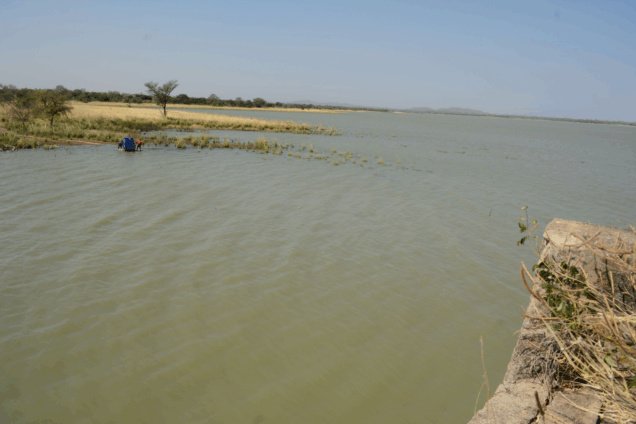
The Tono and Vea irrigation dams, once reliable lifelines for dry-season farming in the Upper East Region, are now under growing threat due to climate change.
Rising temperatures, erratic rainfall, and prolonged dry spells are reducing water levels and disrupting carefully planned irrigation schedules, according to the Irrigation Company of Upper Region (ICOUR), which manages both facilities.
Dominic Anarigide, the Acting Managing Director of ICOUR, stated that the rainy seasons now start in July, unlike in the past when the rains often came by May, making it challenging to maintain the crop calendar and leading to a drastic reduction in the volume of water in the dams.
The dams are being pushed beyond their original design capacity, and farmers are constantly racing against time to avoid post-harvest losses, with some currently risking losing their crops because ICOUR must halt the water supply to allow for canal cleaning and maintenance ahead of the dry-season farming window.
Farmers in the lowlands under the Tono irrigation scheme are facing mounting uncertainty, with one farmer explaining that the timing no longer aligns with reality, and another stating that the rain doesn’t come early, or it comes and then goes off, resulting in bad yields.
ICOUR maintains that the irrigation calendar must be followed to ensure long-term functionality of the system, yet unstable weather patterns mean that each year, some farmers are left behind through no fault of their own.
To manage the growing strain, ICOUR is calling for increased government support, including subsidies to help affected farmers cope with losses, and believes that stronger private-sector partnerships and further investment in modern irrigation technologies could improve efficiency and resilience.
As climate change continues to reshape farming in northern Ghana, the experience of the Tono and Vea dams highlights a broader challenge: infrastructure built for yesterday’s climate must now adapt to today’s realities.
Image Source: MYJOYONLINE